Millcroft has delivered a comprehensive scaffolding solution for the new £10.7 million training facility being constructed at Ashford Fire Station for Kent Fire and Rescue Service.
The innovative training centre is designed to help firefighters prepare for the increasingly tricky situations that fire and rescue teams face today. The project follows a review of how fire services prepare their firefighters for high-rise, complex scenarios in the wake of the Grenfell Tower Tragedy in 2017.
Once complete, this will be one of the most state-of-the-art firefighter training centres in the country. The centre is designed to replicate a real-life high-rise incident and includes specialist burn rooms, artificial smoke training areas, confined-space rescue facilities, and a gantry system that will allow firefighters to practise realistic rescues.
Millcroft was appointed by the project's main contractor, Morgan Sindall, to design and install an external access scaffold solution for the construction of the new facility, while ensuring the continued safe operation of the existing fire station throughout the build programme.
The project included a number of logistical and technical obstacles. In addition to the fire station remaining operational throughout construction, the site is in an industrial estate and is heavily constrained, with limited working space around the building. Strategic planning was therefore required to ensure materials, personnel, and emergency operations could continue safely while the scaffolding works were carried out.
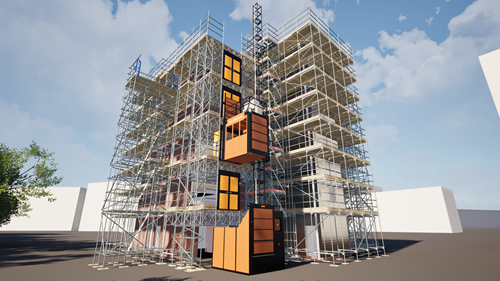
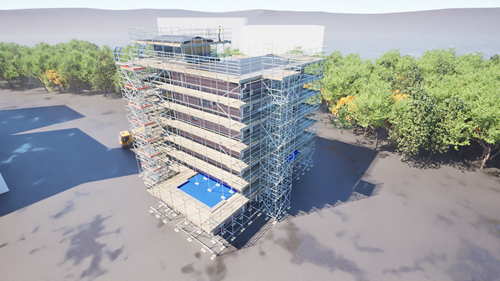
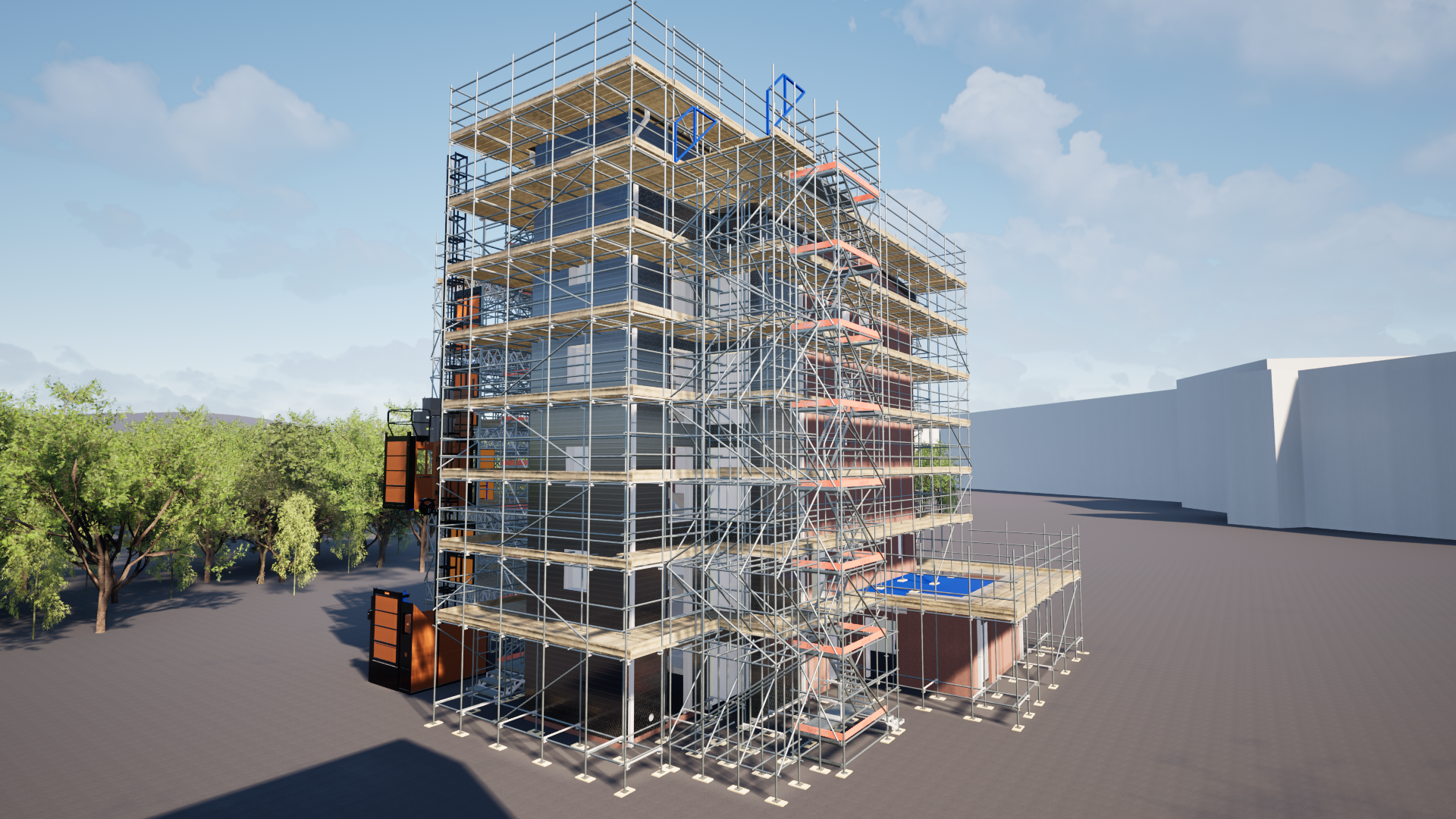
Designed as a progressive-build scaffold for the brickwork package, the structure was erected in phases as the building rose. We incorporated dedicated loading bays to enable forklifts to safely deliver pallets of materials to working levels. As construction progressed, our in-house design team adapted elements of the scaffold to accommodate changes on site, including revising loading bay arrangements and responding to earlier unidentified steel-frame elements in parts of the building.
The tallest sections of the scaffold reached approximately 15 metres in height. To maximise access for the construction team, our design incorporated prefabricated structural transoms, allowing access routes to remain clear without the need for traditional ledger bracing. Through detailed tie patterns and stability calculations, we ensured the scaffold could safely support the required loads while maintaining unobstructed working areas.
This project showcases our in-house design capabilities. Using Autodesk Revit, the team developed a full 3D model of the scaffold, allowing possible issues to be identified and resolved before erection commenced. QR codes embedded within the drawings enabled the client and site teams to access and interrogate the model directly, improving coordination and helping to minimise changes during construction.
Michael Egan, Principal Design Engineer at Millcroft, said: "The benefit of the 3D modelling process was that we were able to have conversations and resolve issues before we even got to putting the scaffold on site. The model exposed potential clashes and gave everyone the opportunity to take data-based decisions early, which helped de-risk the project and improve coordination throughout the build."
With the facility due to open later this year, the new training centre will be crucial in preparing firefighters for the requirements of contemporary emergency response, helping ensure crews have access to realistic training environments which reflect the buildings and incidents they may encounter throughout Kent and beyond.